
The Future of Workplaces in 2025: Hybrid Models, AI, and Employee Well-being
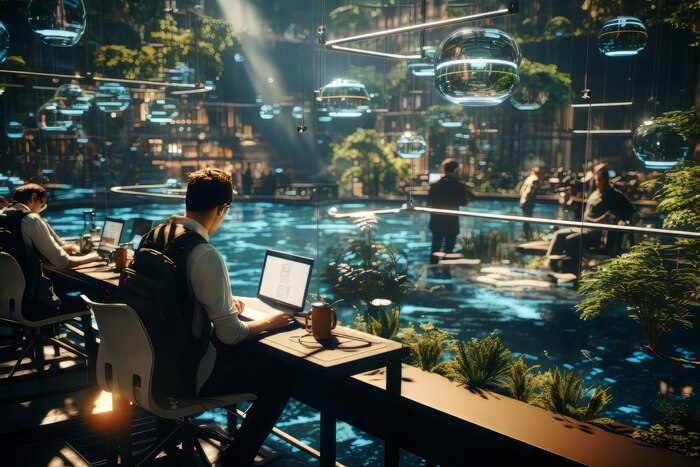
The workplace has changed dramatically in the last decade, and by 2025, it will look completely different from the traditional 9-to-5 office setup. With hybrid models, AI-driven productivity tools, and a strong focus on well-being, the future of work is more flexible, digital, and people-centric than ever before.
This article explores how workplaces in 2025 are evolving and what trends businesses and employees must prepare for.
1. Rise of the Hybrid Workplace
One of the biggest shifts is the hybrid workplace model, where employees split their time between office and remote work. By 2025:
-
Companies will provide flexible schedules to balance productivity and personal life
-
Offices will become collaboration hubs rather than daily workstations
-
Employees will value autonomy over rigid office rules
Hybrid work is not just a trend—it’s the new normal.
2. Artificial Intelligence in the Workplace

AI will play a central role in shaping productivity. By 2025:
-
AI-powered assistants will handle emails, scheduling, and reporting
-
HR teams will use AI for hiring, performance tracking, and employee engagement
-
Data-driven insights will improve decision-making and workplace efficiency
AI won’t replace employees—it will enhance human capabilities.
3. Focus on Employee Well-being
Employee happiness is now a business priority. By 2025:
-
Workplaces will offer mental health support and wellness programs
-
Flexible hours and four-day work weeks may become common
-
Companies will invest in work-life balance tools to reduce burnout
A healthy workforce will be seen as a competitive advantage.
4. Diversity, Equity, and Inclusion (DEI)
Global businesses in 2025 will focus on inclusive workplaces. Trends include:
-
Diverse hiring practices ensuring equal opportunities
-
AI tools designed to remove bias in recruitment
-
Leadership roles becoming more open to women and minorities
Inclusive cultures will drive both innovation and loyalty.
5. Digital Collaboration & Remote Tools

By 2025, remote collaboration will be smoother than ever. Workplaces will rely on:
-
Virtual reality (VR) meeting rooms for immersive discussions
-
Cloud-based platforms for seamless teamwork
-
Real-time translation tools to support global collaboration
The digital workplace will erase geographical barriers.
6. Skills of the Future Workplace
The future workplace will require employees to adapt constantly. Key skills in 2025:
-
Digital literacy and comfort with AI tools
-
Critical thinking and problem-solving for complex challenges
-
Emotional intelligence for effective teamwork
-
Adaptability to thrive in changing environments
Companies will invest heavily in upskilling and reskilling programs.
7. Challenges Ahead
While the future of work is promising, challenges remain:
-
Cybersecurity risks with remote work
-
Managing employee isolation and digital fatigue
-
Balancing productivity with employee autonomy
-
The risk of AI replacing routine jobs
Leaders must create strategies to address these challenges proactively.
Conclusion
The workplace in 2025 will be defined by hybrid flexibility, AI-driven tools, inclusive policies, and employee well-being. Organizations that embrace innovation while focusing on their people will not only survive but thrive in the new era of work.
The future of work is not just about technology—it’s about creating human-centered workplaces where employees feel valued, supported, and empowered.


